
OpenAI's models rewrote parts of AMD's GPU designs and found gains of up to 14%
Some of the changes are already in a design AMD sent to manufacturing. Greg Brockman, OpenAI's president, called it roughly an extra year of progress, made in under five months.
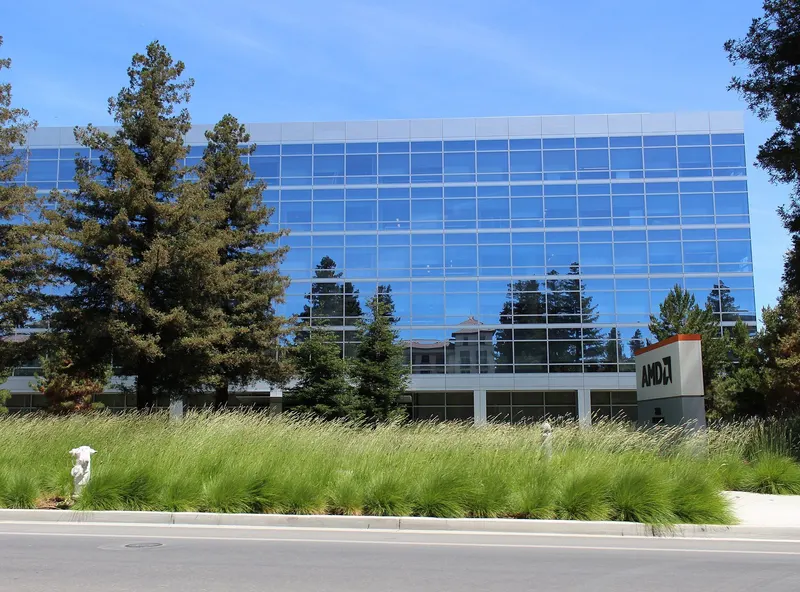
Coolcaesar, CC BY-SA 4.0, Wikimedia Commons
OpenAI said on November 18 that its models had rewritten parts of AMD's GPU designs and improved their power, performance and area by up to 14% against AMD's own, heavily optimised versions. The models worked on the chips' register-transfer level code, written in SystemVerilog, and every change was checked with Synopsys's design tools.

Some of the changes are in a design AMD recently sent for manufacturing, and others are in the production design files for future versions. In key blocks of AMD's upcoming flagship processor, the gains were in single digits.
Greg Brockman, OpenAI's president, called the result “unprecedented” and said it amounted to “roughly an additional year of progress”, reached in under five months.
OpenAI's own chip
OpenAI used the same approach on Jalapeño, its own chip. Two key parts came out about 13% and 10% smaller and already work in silicon, and the chip went from design to manufacturing in nine months. OpenAI is also training a model with Synopsys, called GPT-Synopsys.
The deal behind it
The two companies were already tied together. OpenAI has committed to up to 6 gigawatts of AMD Instinct GPUs, starting with 1 gigawatt of MI450 in the second half of 2026, and AMD gave OpenAI a warrant for up to 160 million AMD shares.